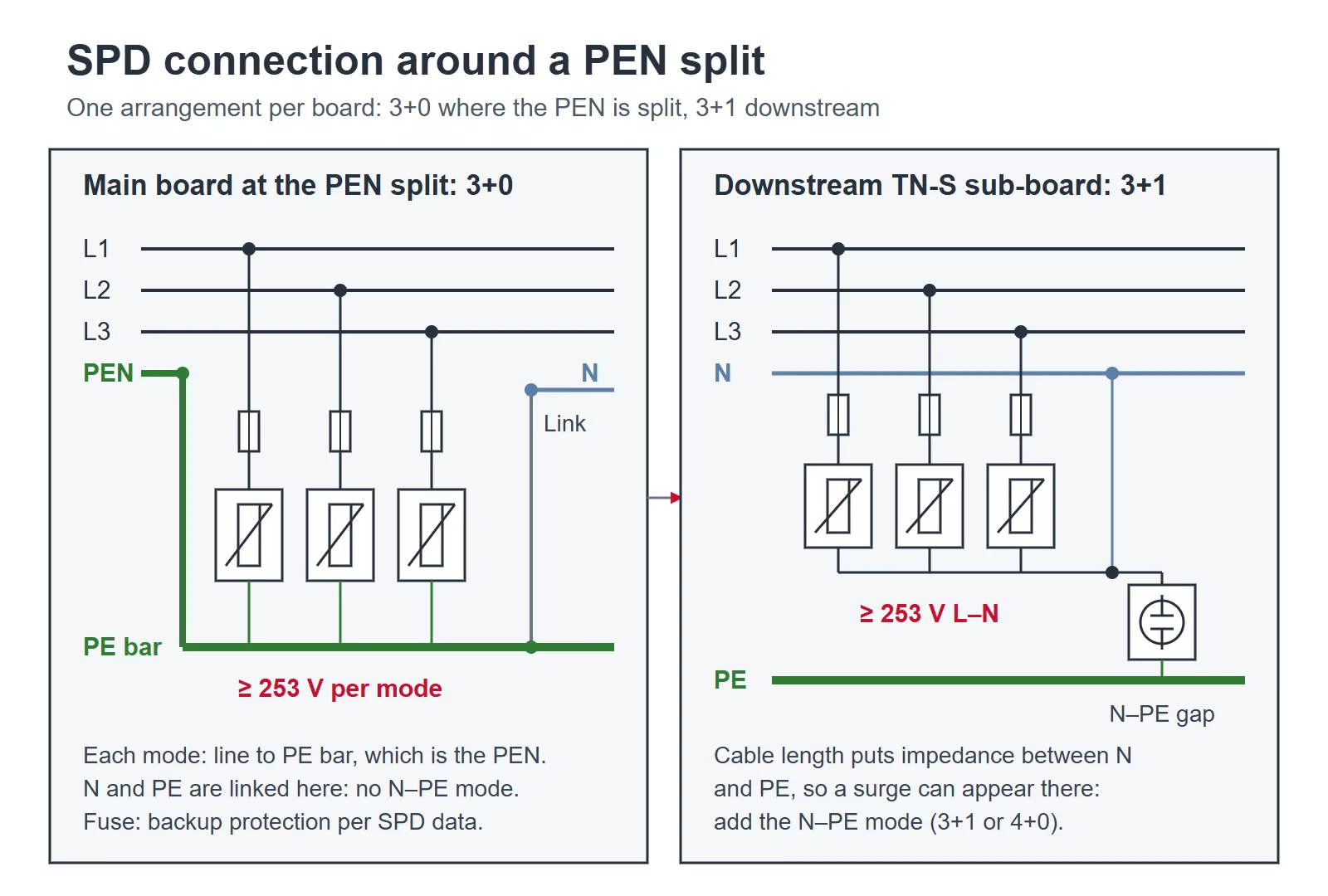
TN-C Earthing System: How It Works, Risks and SPD Wiring
A TN-C earthing system uses one PEN conductor for neutral and earth. See why RCDs won’t work on it, how to convert it, and how to wire an SPD 3+0.

A TN-C earthing system uses one PEN conductor for neutral and earth. See why RCDs won’t work on it, how to convert it, and how to wire an SPD 3+0.
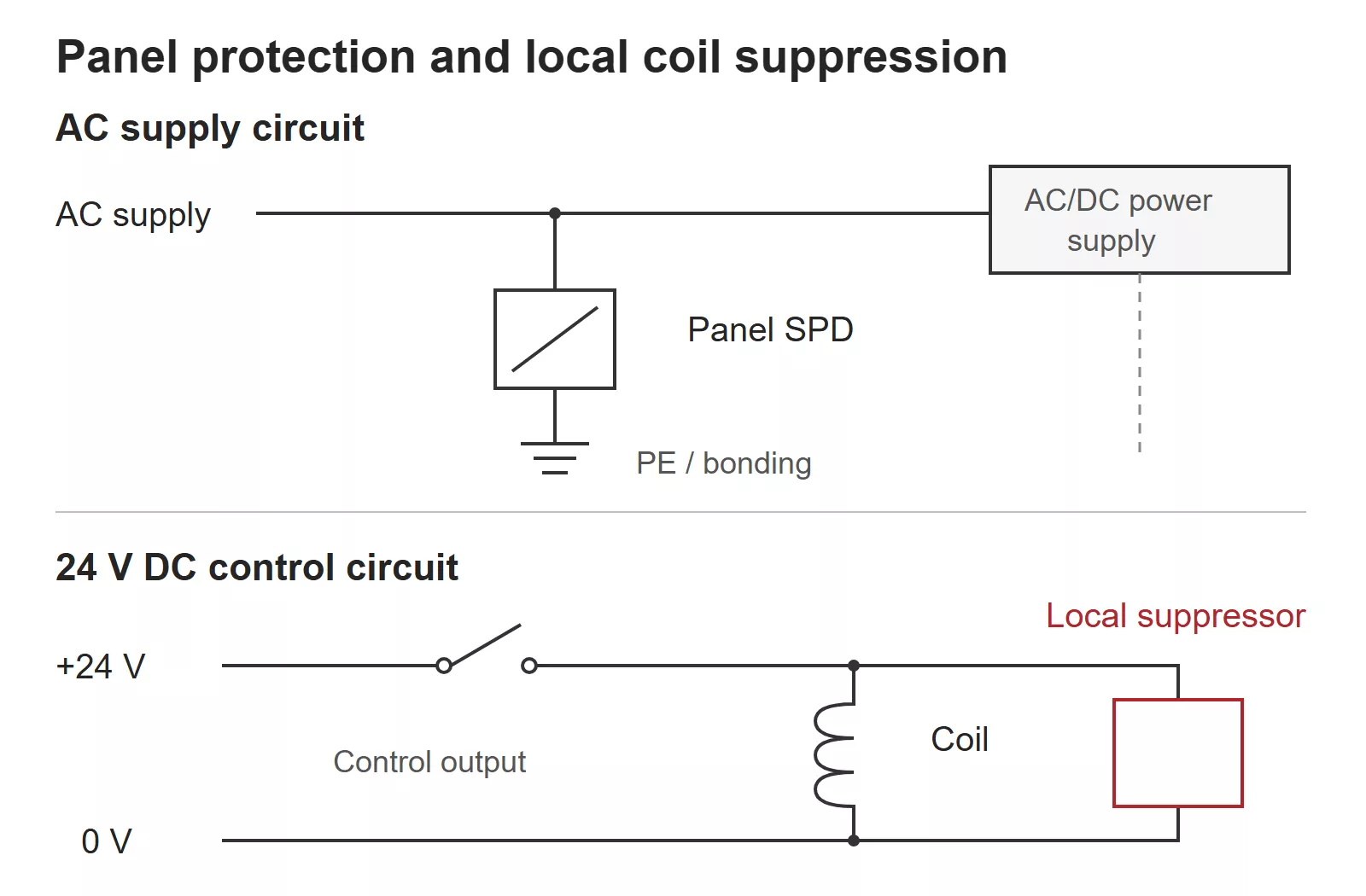
Switching surge protection for electrical panels: see how coil switching creates voltage spikes and where to use coil suppressors and SPDs.
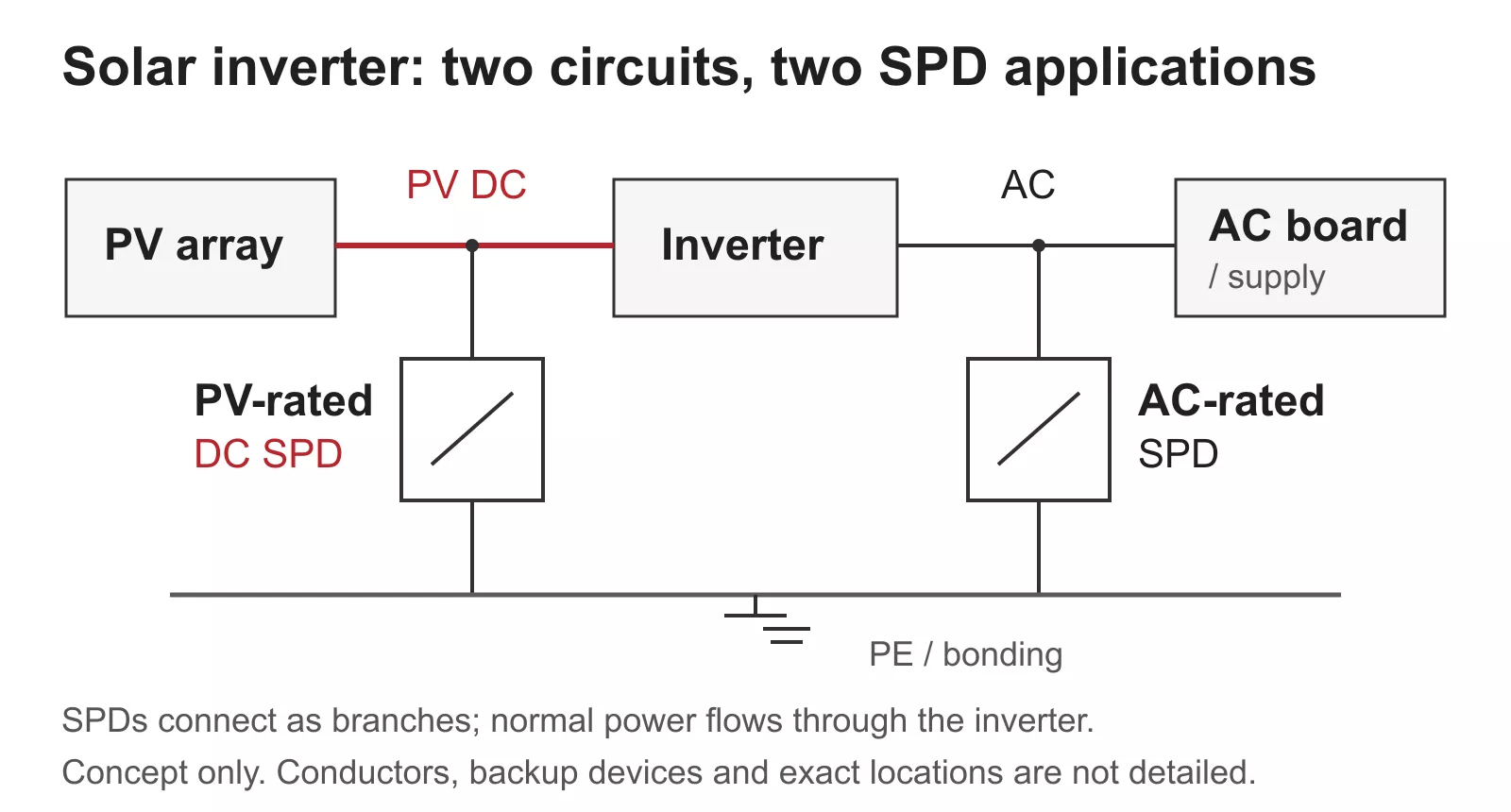
The main difference in AC vs DC SPD selection is the supply each device is designed to protect. AC SPDs serve alternating-current distribution circuits. DC SPDs serve direct-current circuits, with versions designed for solar PV, control supplies and other DC applications. Their voltage ratings, protection paths and fault-disconnection arrangements suit those operating conditions. For a replacement, choose a device rated for the circuit’s AC or DC application. A product explicitly rated for
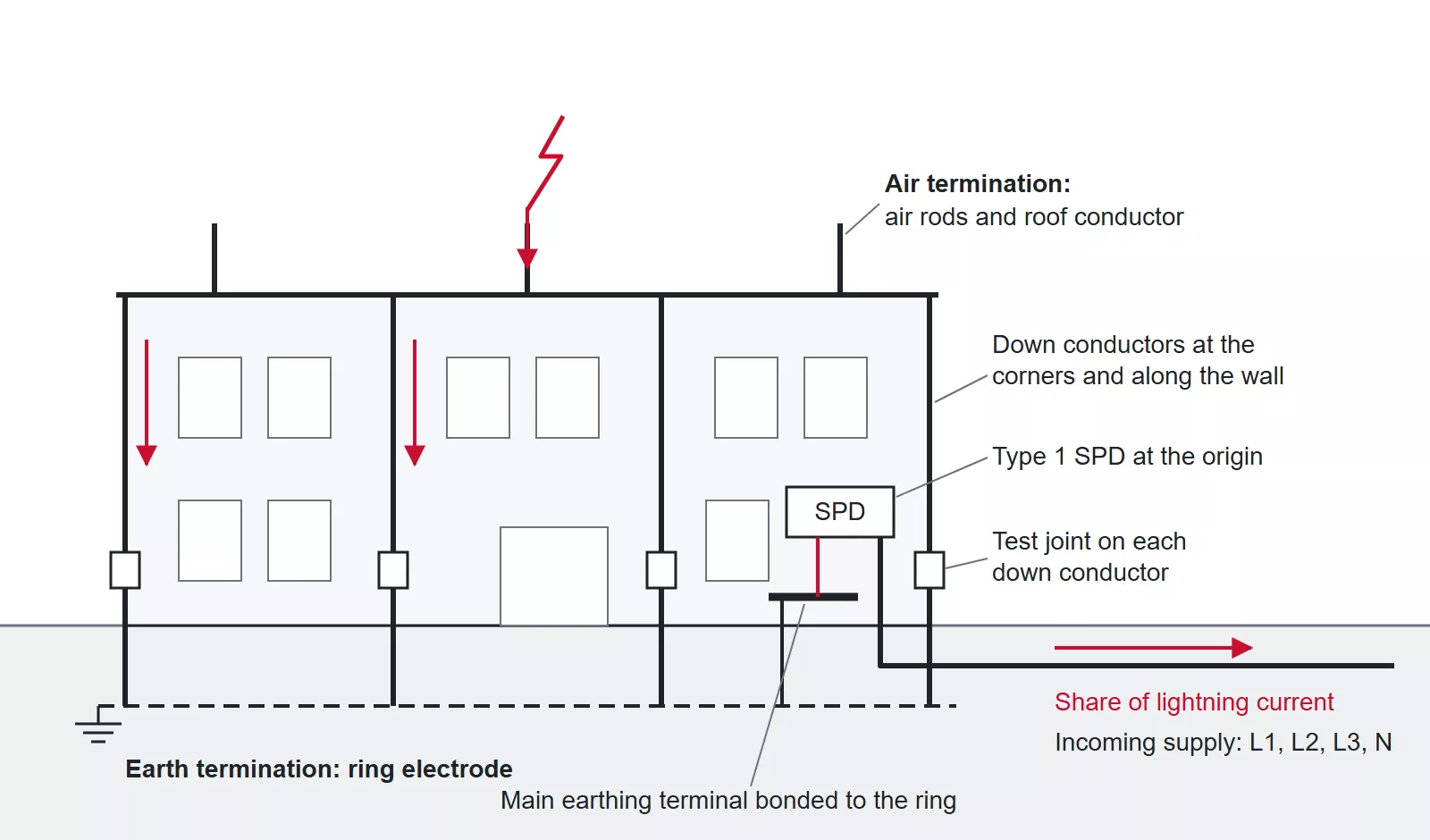
The air termination is the part of a lightning protection system that takes the strike: rods, roof conductors, catenary wires, or roof metal thick enough to do the job. The down conductor carries that current from the roof to the earth termination. For most buildings designed to IEC 62305-3, both are 50 mm² conductors (70 mm² if you use plain aluminium tape), with at least two down conductors around the building
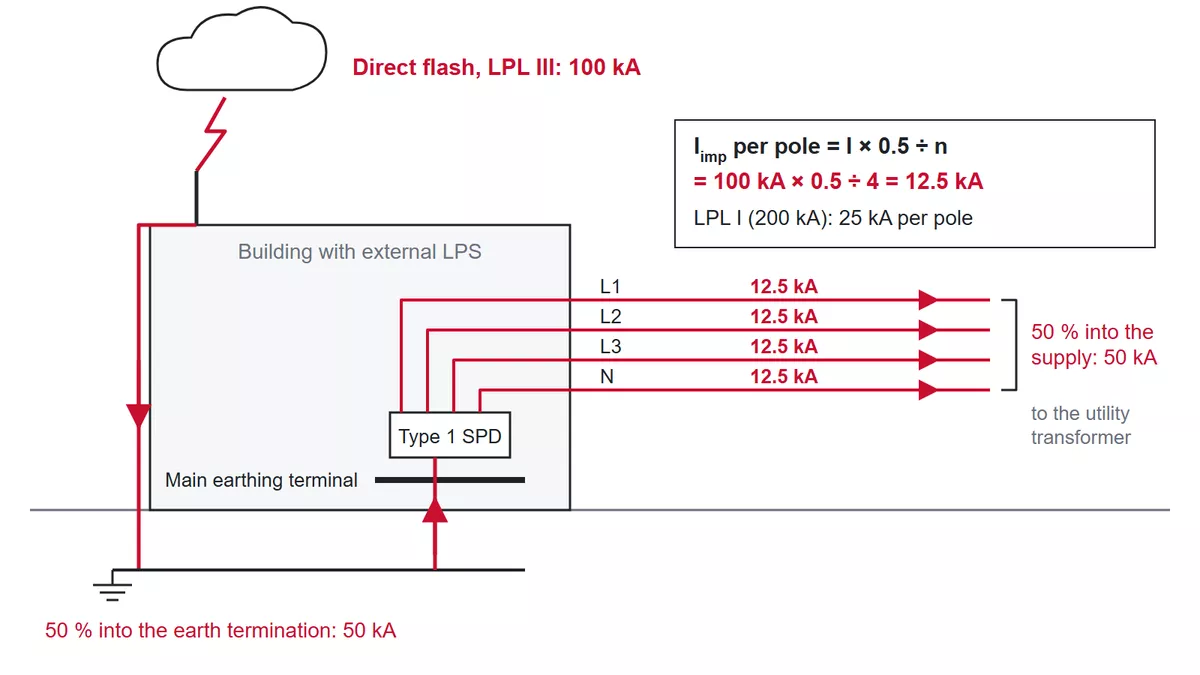
How to size an SPD, or surge protection device, comes down to four numbers. A Type 1 SPD needs an impulse current Iimp that follows from the lightning protection level: 12.5 kA per pole for LPL III and IV, 25 kA for LPL I. A Type 2 SPD needs a nominal discharge current In of at least 5 kA per mode and a maximum discharge current Imax chosen by exposure, with 40 kA the
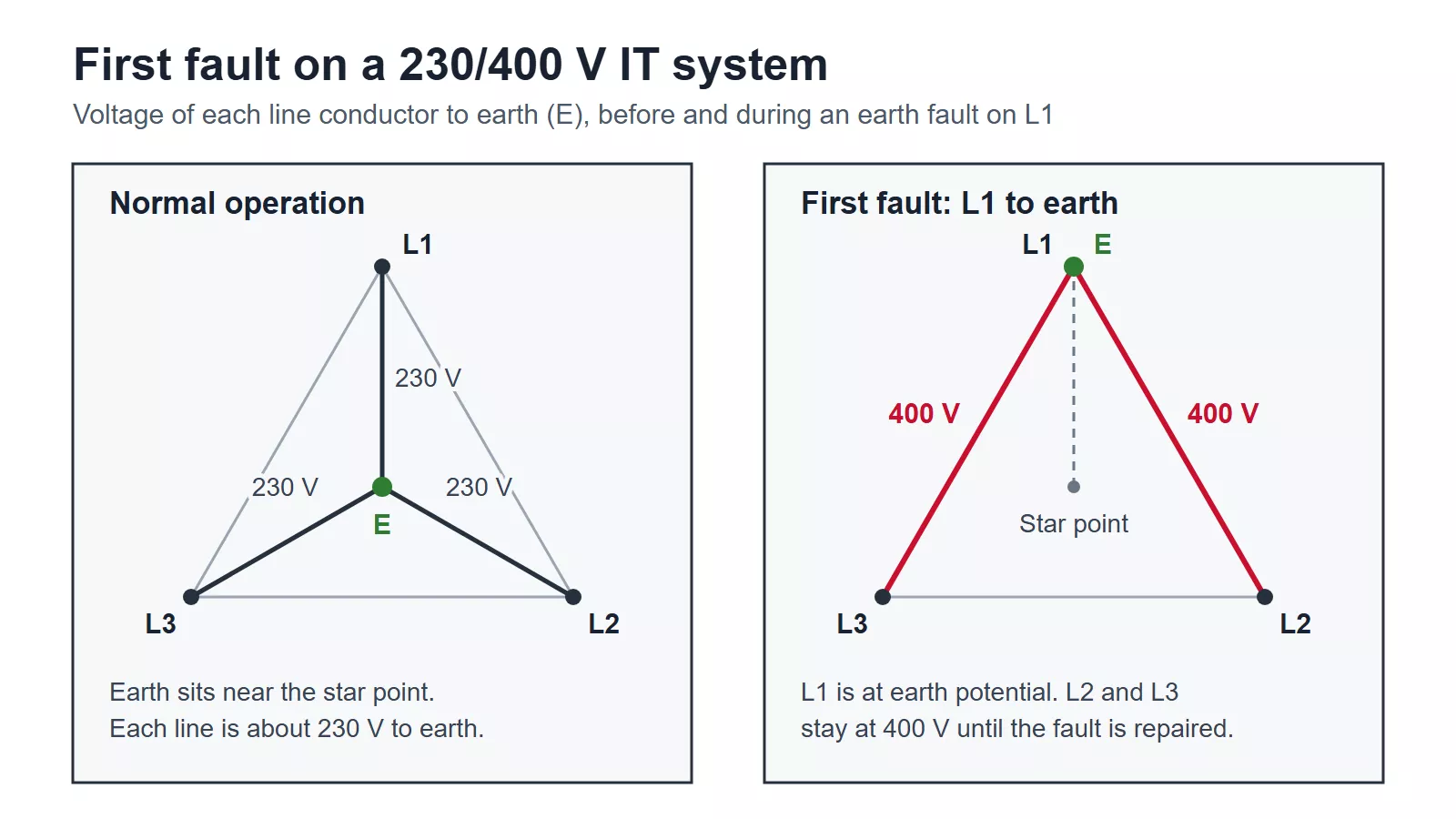
An IT earthing system keeps running after a first earth fault. See how faults are detected, when it must trip and how to choose SPD Uc.
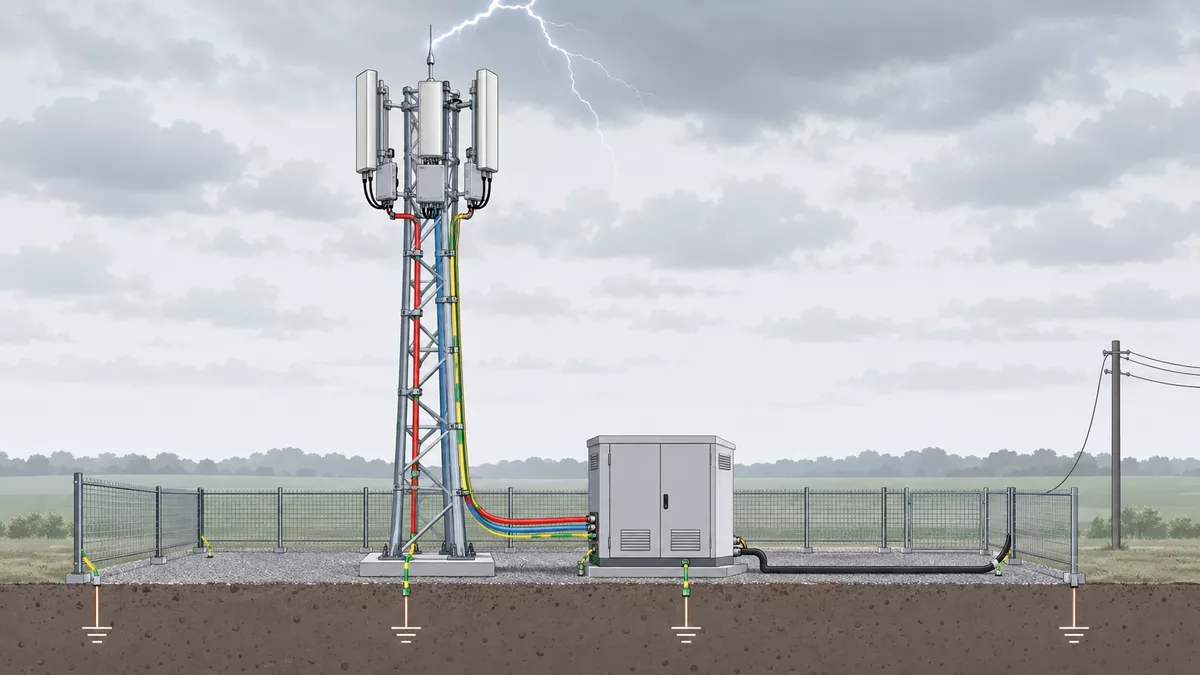
Telecom surge protection for cell sites: DC feeders to RRUs, AC mains, PoE and coax, and what decides Type 1, Type 2 or no SPD at each port.
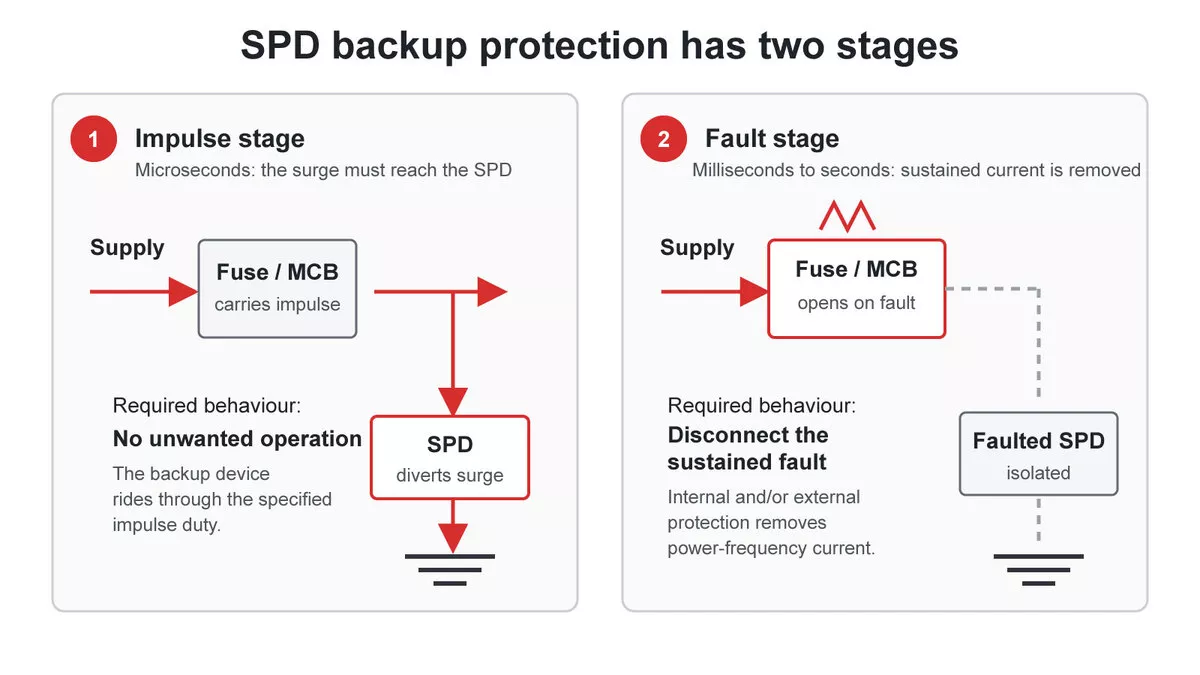
Learn how SPD backup protection works with gG fuses and circuit breakers, using IEC 61643-12 Tables N.1 and N.2 correctly.
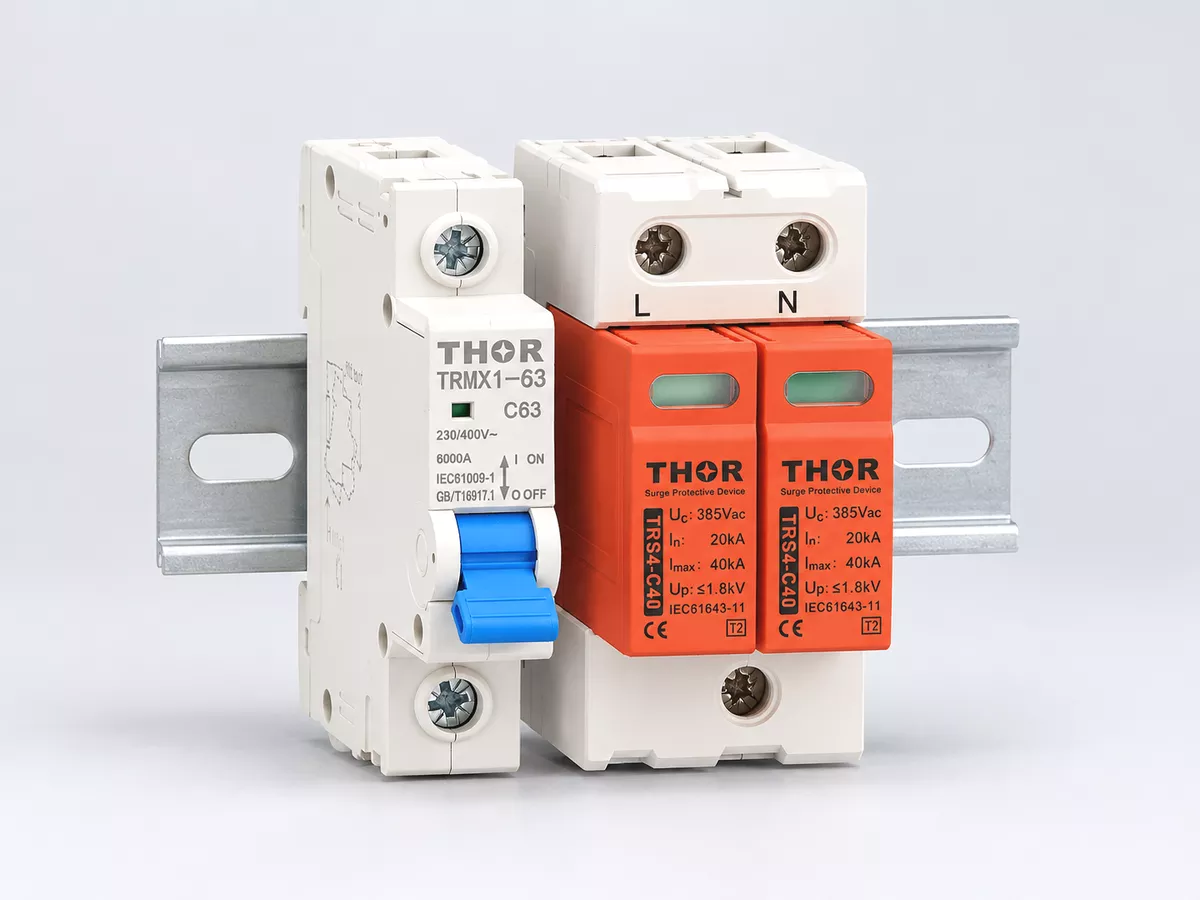
To decide what size MCB for SPD protection to use, start with the SPD manufacturer’s coordination table: select the listed breaker series, current rating and trip curve, then check its breaking capacity against the installation’s prospective short-circuit current. A 32 A or 63 A breaker is a result of that selection. The SPD’s surge rating, such as 40 kA, cannot be converted into an MCB amp rating. First check whether an
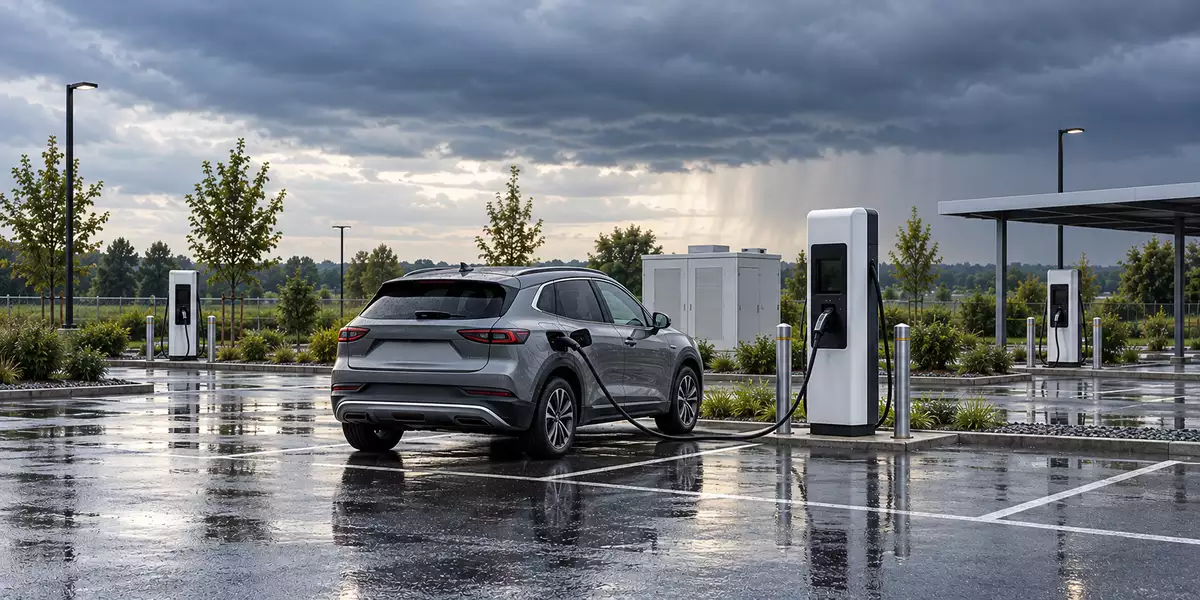
EV charger surge protection: what IEC 60364 asks for, how exposure decides Type 1+2 or Type 2, and why the SPD needs its own bonding connection.
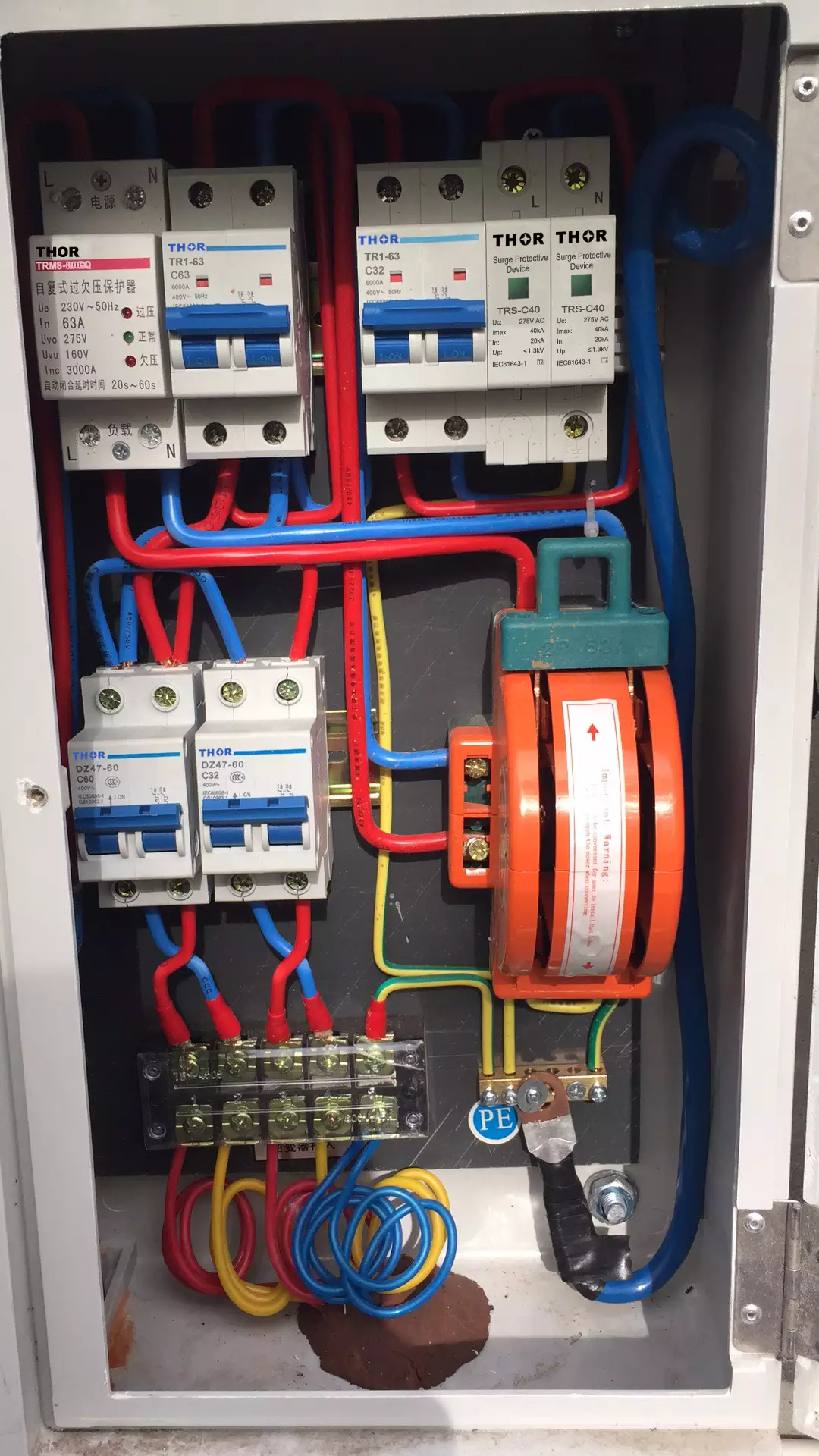
The types of earthing systems: IEC 60364’s three families and five arrangements, TN-S, TN-C, TN-C-S, TT and IT, and how each constrains SPD connection.
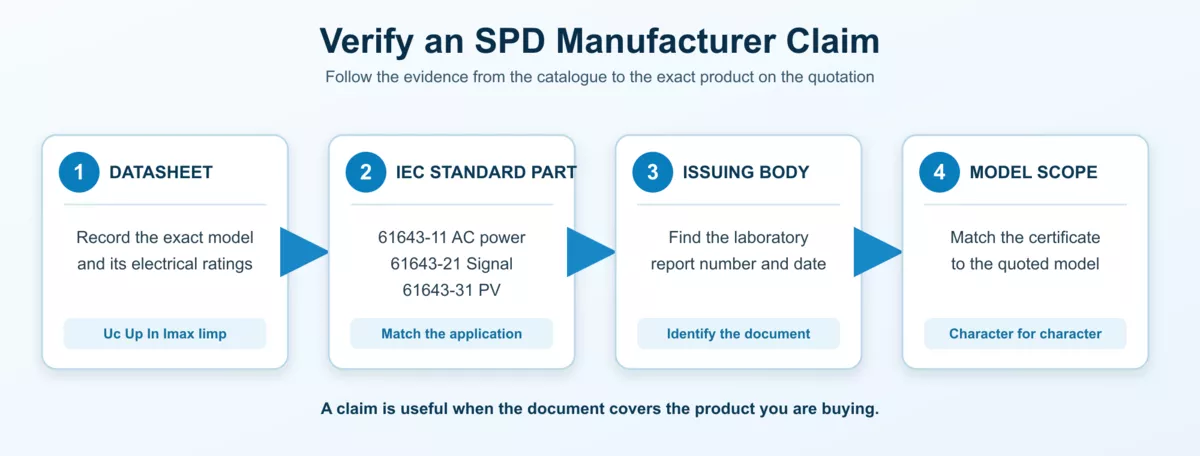
Compare the top 10 SPD manufacturers by product scope, standards and OEM options, and check any supplier’s IEC 61643 claims before you buy.